


















-
AllAnytime Fitness Gym Art Blog Bus Fares Bus Service Business Business Expo C2C Care Care Home Charity Children Christmas Cinema City Status Cliffs Pavilion Cliffs Pavilion Review College Community Competition Construction Coronation Coronavirus Design Easter Education Electoral changes Leigh on sea Employment Emsella Chair Environment Essex & Suffolk Water News Essex Police Essex Wildlife Trust News Events Family Fun Fashion Festival Film Finance Fitness Food Food & Drink Foulness Bike Ride Fresh Face Pillow Company Gardening General Election Hair & Beauty Halloween Harp Havens Havens Hospice Havens Hospices Havens Hospices Health & Fitness Health & Beauty Health & Fitness Healthwatch Southend Historicaleigh History Holidays Housing Indian Indirock Jubilee Karen Harvey Conran Kids Kids Competitions Lazydays Festival Legal Leigh Art Trail Leigh Folk Festival Leigh Library Leigh Road Leigh Town Council Leigh Town Council Press Release Leigh on Sea Leigh on sea Folk Festival Leigh on sea Marathon Leigh on sea Town Council Leigh on sea man breaks marathon record Leigh on sea news Lifestyle Livewell Southend Press Release LoS Shop London Southend Airport Los Shop Marathon Mortgage Angel blog Mortgages Mughal Dynasty Music My Mortgage Angel MyLoS NHS News News Offers Palace Theatre Parenting Parking Pets Picture Of The Week Pier Politics Press Release Press Release Southend City Council Professional Property Property Of The Week RSPCA Ray Morgan Re:loved Recipes Recycling Restaurant Restaurant Review Restaurants Review Roads Rotary Club Royal Hotel Royal Visit SAVS Schools Seafront Shopping Shows & Music Review Shows & Music Shows & Music Review Southend Southend Airport Southend Borough Council Press Release Southend City Bid News Southend City Council Southend City Council Press Release Southend City Council Press Release Southend Community Safety Southend Hospital News Southend In Sight Southend In Sight Southend In Sight Press Release Southend on Sea Sport The One Love Project The Ship Hotel Theatre Theatre Blog Theatre Review Theatre review Transport Travel Travel Veolia Volunteer Weddings Whats On c2c
Interview with Darren Ryan Local Author of Lifeline
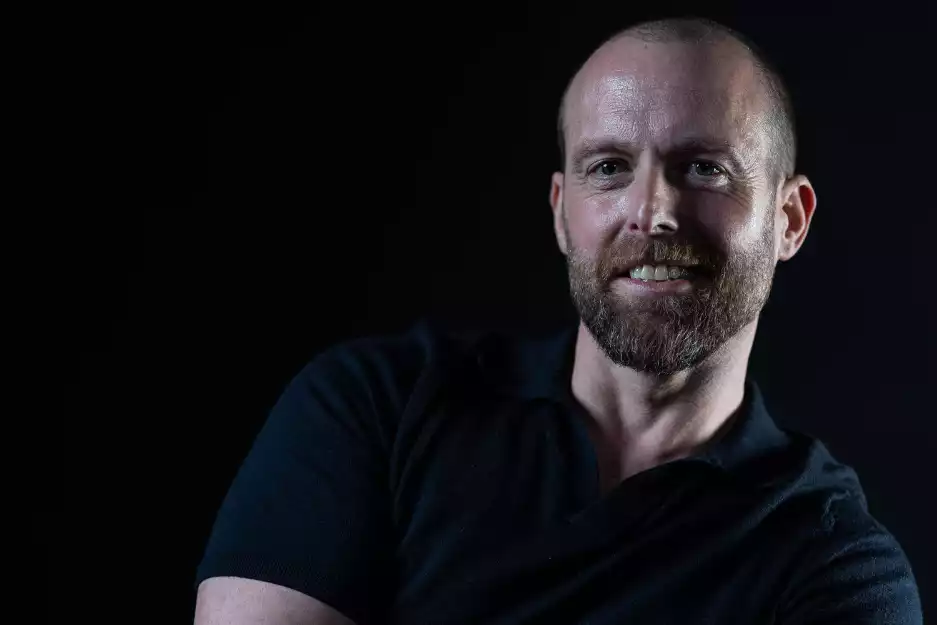
Let's introduce you to the lovely people of Leigh-on-sea.
Hi my name is Darren Ryan I am a local author and ex police officer. I have just published my first book “Lifeline”.
Why did you write this book?
Lifeline exists because silence nearly cost me everything. Like many people, I was conditioned to be strong, capable and self- reliant. I learned how to survive but not how to ask for help. Eventually others became my lifeline, and that support made the difference between life and death.
The memoir started life as a few words in a journal while I was trying to navigate a personal crisis. Over time it became much more than that. Writing helped me process a huge life change and eventually I realised that sharing my story might help others who feel broken, lost or ready to give up.
It is for anyone who has ever felt isolated, as well as for loved ones trying to understand PTSD. My hope is that it helps break the silence around trauma and mental health.
What do you hope people will gain from reading it?
If Lifeline does one thing, I hope it reminds people that they’re still human and that hope still exists even in the darkest moments. The most dangerous moments are often the quiet ones - when you convince yourself not to speak.
I didn’t write it just for people in emergency services. I wrote it for anyone who struggles to talk openly about their mental health. Sometimes it’s easier for someone to read another person’s experience and recognise what they’re going through.
There’s a thread of hope running through the book. If you can get through today, tomorrow might feel different.
This is your first book. Was it easy to write?
No, absolutely not. It was a long process but I will say that writing gave me purpose at a time when I had lost my identity after leaving the police. Every page had the power to trigger strong physical reactions because of the trauma behind the memories.
There’s a chapter called Perseverance, and that title reflects the writing process itself. Some chapters took months to write. I would start, stop, procrastinate or even experience panic attacks while trying to get the words down. Sometimes I recorded my voice instead of typing because I simply didn’t have the energy to pick up a pen. I wanted the book to be completely authentic - raw, honest and real.
Can you sum up what Lifeline is about?
At its heart, Lifeline is about the hidden cost of protecting others. During my time as a serious crime detective I was exposed to some of the darkest aspects of humanity while hunting online predators and working on traumatic cases.
The book explores how that led to PTSD, trauma and addiction - but also how recovery is possible. It challenges the silence around mental health and how asking for help is not weakness, it’s survival.
For readers unfamiliar with PTSD, how would you describe it?
PTSD is different for everyone. For me, it’s like living with your worst nightmare following you everywhere. You rarely feel safe and you’re constantly on alert, convinced something terrible might happen to you or your family.
The body remains in a state of extreme stress, reliving the original trauma over and over again.
When I experience flare-ups, the impact is physical as well as mental. Sometimes I need to isolate myself completely - sitting in darkness with noise-cancelling headphones - just to calm my mind enough to move forward again.
What changes would you like to see within policing to better protect mental health?
The most important change is creating a culture where people feel safe to talk. Many officers are afraid to ask for help because they worry it might affect their career or their ability to support their family.
I believe counselling should be mandatory after certain traumatic incidents - such as child deaths, exposure to indecent images of children, fatal road collisions, fires or terrorism investigations.
If everyone is required to talk, the stigma disappears overnight. It would save lives and help police officers to be psychologically safe to continue serving their communities more effectively.
What do you hope readers take away from the book?
It’s the book I wish had existed when I reached crisis. If someone reads Lifeline and recognises themselves in its pages, I hope it encourages them to seek support, the earlier the better.
Early conversations and early intervention can save lives. This book isn’t about weakness - it’s about being human.
Have you got plans to write another book?
Yes, I’m currently working on a children’s book that aims to help parents with PTSD explain what they’re experiencing to their children in a safe and supportive way.
One of the hardest things for me was trying to explain to my children what their dad was going through. Education and understanding are vital, especially for families living with this condition.
Lifeline is now available to buy on Kindle, hardback and paperback, from Amazon.
ADD A COMMENT
Note: If comment section is not showing please log in to Facebook in another browser tab and refresh.